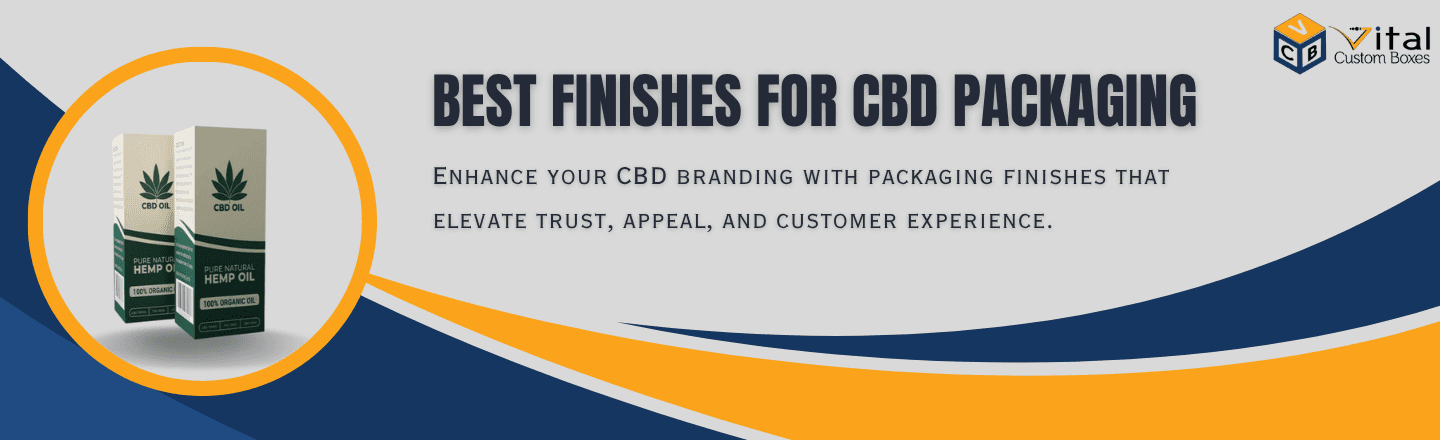

Packaging plays a huge role in how products are presented, protected, and delivered to consumers. It is not just about enclosing a product; packaging is also about marketing, branding, and communication. Let's dive into what product packaging is and why it matters so much for businesses.
What Is Product Packaging?
Product packaging refers to the materials used to wrap, protect, and display a product. It can consist of a box, bag, container, or even a wrapper. A product package brings together various elements such as labels, logos, design, and packaging materials. It is more than just a way to contain the product; it is an essential part of the product's appeal and usability.
Why Is Product Packaging Important?
Product packaging is important for several reasons. First, it protects the product. Packaging is the first line of defense against physical damage, dirt, moisture, or temperature changes that could harm the product inside. A rigid box can protect fragile items like electronics, while a flexible package can keep food fresh for longer. Packaging also attracts customers, working hand in hand with branding to make a product stand out on the shelf, grab attention, and influence the buying decision.
Packaging communicates brand identity too. Details such as colors, logo, and design express your brand's personality, whether sleek and modern or fun and colorful, helping customers recognize and trust your products. Finally, good packaging enhances the consumer experience by making a product easy to open, use, and store. Resealable bags or easy-open lids, for example, make using the product more convenient.
Main Levels of Product Packaging
There are three main levels of product packaging. Primary packaging directly holds the product, such as a bottle of juice or a toothpaste tube, and is the first layer that protects and contains it. Secondary packaging is the outer layer that groups several primary packages together, like a box containing multiple bottles of shampoo, used for easier handling and better shelf appearance. Tertiary packaging is used for shipping and storage, containing multiple secondary packages so products arrive safely at their destination, such as large shipping cartons or pallets.
Five Types of Product Packaging
Businesses can choose from many types of product packaging depending on the product's needs and the brand's goals. Corrugated packaging is a strong option often used for shipping and storage, made from a fluted sheet of paper sandwiched between two flat layers, making it durable yet lightweight and perfect for larger items that need extra protection. Flexible packaging is lightweight and cost-effective and can be used for snacks, liquids, and cosmetics, made from materials such as plastic, foil, or paper to keep products fresh.
Folding cartons are paperboard boxes that are easy to assemble, affordable, and printable with colorful designs, making them popular for retail products. Rigid boxes are high-quality, sturdy boxes often used for premium products like perfumes, electronics, or luxury items, adding a sense of quality and durability. Blister packaging uses a clear plastic shell to hold the product in place and is commonly used for small consumer goods like batteries, offering excellent protection and visibility. Choosing the right custom box packaging can enhance the protection, branding, and presentation of your products.
Packaging Innovation
In recent years, packaging innovation has become more important than ever. With the rise of e-commerce and changing consumer needs, businesses are continually looking for ways to make packaging more functional, sustainable, and appealing. New technologies, like film packaging and smart packaging, are improving convenience, sustainability, and customer engagement.
Packaging Design and Information
The packaging design and manufacturing process is essential for ensuring packaging is both functional and visually appealing. Businesses must work closely with designers and manufacturers to create packaging that reflects their brand, protects their product, and meets all necessary regulatory requirements. One of the critical roles of packaging is conveying information: it provides essential details such as ingredients, usage instructions, safety warnings, and expiration dates, helping customers make informed decisions while keeping businesses compliant with safety regulations.
Packaging Is More Than Just Protection
Today packaging is not just about protecting the product; it is about adding value to the customer experience. With the rise of online shopping, the unboxing experience has become just as important as the product itself. Good packaging builds excitement and creates a memorable moment for customers, leading to higher satisfaction and loyalty.
Final Thoughts
Product packaging is an essential element for any business. From protecting the product to attracting customers and communicating your brand's identity, packaging plays a crucial role in a product's success. Whether you use corrugated packaging, flexible packaging, or rigid boxes, choosing the right type can make a significant difference in how your product is perceived and sold.