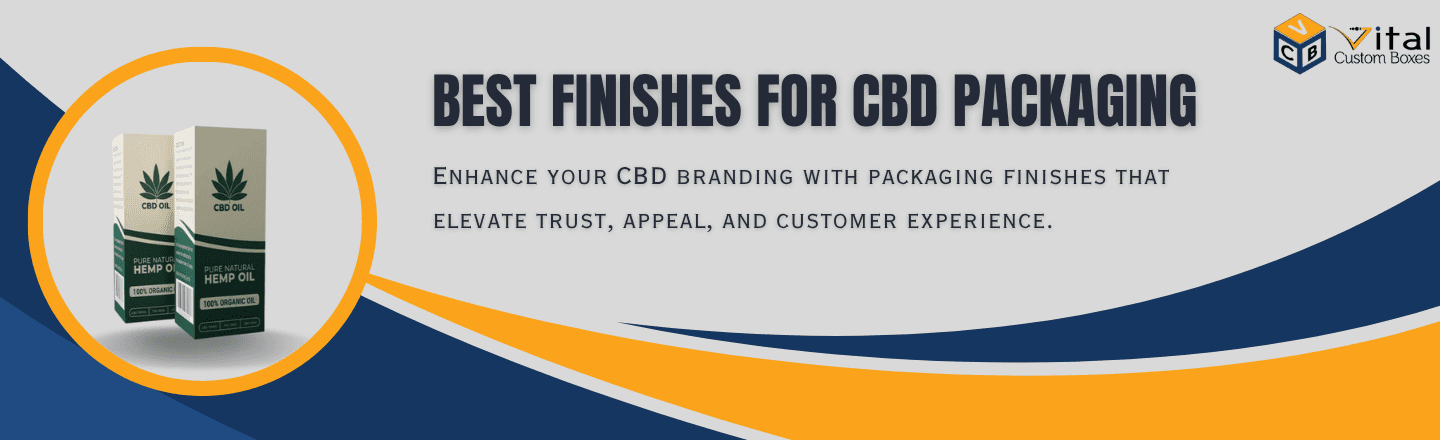

Choosing the Right Finish for Your Brand's Packaging
In a crowded retail market, visual appeal and material durability matter just as much as the product inside the box. Brands compete for shelf space and for attention, and the finish on your packaging strongly influences how a product is perceived. Lamination is one of the most common ways to shape that first impression, and the choice usually comes down to a matte or a glossy finish. This guide compares the two across appearance, durability and usability so you can make an informed decision for your brand.
Packaging has become a brand battleground. Businesses rely on high-quality finishes to stand out, signal premium value and reflect their identity. As consumers grow more design-aware, packaging is no longer just a container; it is a visual and tactile experience. In that context, the decision between matte and glossy lamination plays a strategic role in defining how customers feel about what they are holding.
What Lamination Is
Lamination is the process of applying a thin plastic film over printed paper or board. The layer adds protection, improves texture and enhances visual appeal. In packaging, that film produces either a matte or a glossy result, and each option offers distinct advantages depending on your branding needs.
Matte Lamination
Matte lamination gives packaging a smooth, non-reflective and sophisticated look. It creates a soft texture that feels premium and elegant, reduces glare, and pairs beautifully with muted color palettes and luxury products. You will often find it on packaging for fashion, cosmetics, boutique retail and eco-conscious brands.
The appeal of matte for many established brands comes down to perception. Matte surfaces are associated with elegance, exclusivity and modern restraint. They deliver a high-end, soft-touch feel, support minimalist and clean designs, work well with subtle natural colors, and reduce light reflection so the eye stays on the design. For brands aiming for a refined, understated identity, matte is a natural fit.
Matte does have trade-offs. It can dull vibrant colors and make them look more muted, it tends to show scratches and fingerprints more readily, and it may lack the punch needed for bold or promotional packaging. If your design relies on bright, high-energy artwork, matte may not deliver the full effect you want.
Gloss Lamination
Glossy lamination is a high-shine finish that enhances color contrast and adds visual intensity. It is popular in categories that want to grab attention quickly, such as food, tech and children's products. The reflective surface adds depth and sheen so images and colors appear to pop with clarity.
Gloss earns its place because it boosts visibility. Bright, reflective surfaces perform well on shelves and in digital photography. Gloss intensifies colors and contrast, repels dust and moisture more effectively, wipes clean easily for high-traffic products, and creates instant visual appeal. For brands that want maximum brightness and shelf presence, gloss is usually the stronger choice.
Gloss has limitations too. It can create glare under direct lighting that obscures text, it feels slick and lacks the tactile grip of matte, and in some categories it can read as overly commercial or less premium. In high-end markets, excessive gloss can actually undercut the perceived quality of the product.
Matte vs. Gloss: Key Comparisons
In appearance, matte reads as non-reflective, elegant and muted, while gloss is shiny, vibrant and high-contrast. For durability, matte resists scuffs moderately but can show visible scratches, whereas gloss offers better water and dirt resistance and holds up well under pressure. On glare, matte stays low and keeps text readable and visuals soft, while gloss runs high and can hinder readability under strong lights. In terms of feel and usability, matte is soft and premium with better grip, while gloss is smooth, easy to clean and more reflective. Compared with no lamination at all, both finishes add protective value and tactile appeal that an unlaminated surface simply cannot match.
Conclusion
Your choice between matte and gloss should reflect your brand's tone, audience and how the packaging will be used. Matte finishes suit luxury, eco-conscious and minimalist brands seeking subtle elegance. Gloss works best for bright, promotional or attention-grabbing products that thrive on visual impact. There is no single winner in the matte versus gloss debate, only the finish that best fits your brand's message. Understanding the difference lets you tailor your packaging so it not only looks good, but feels right in the customer's hands.