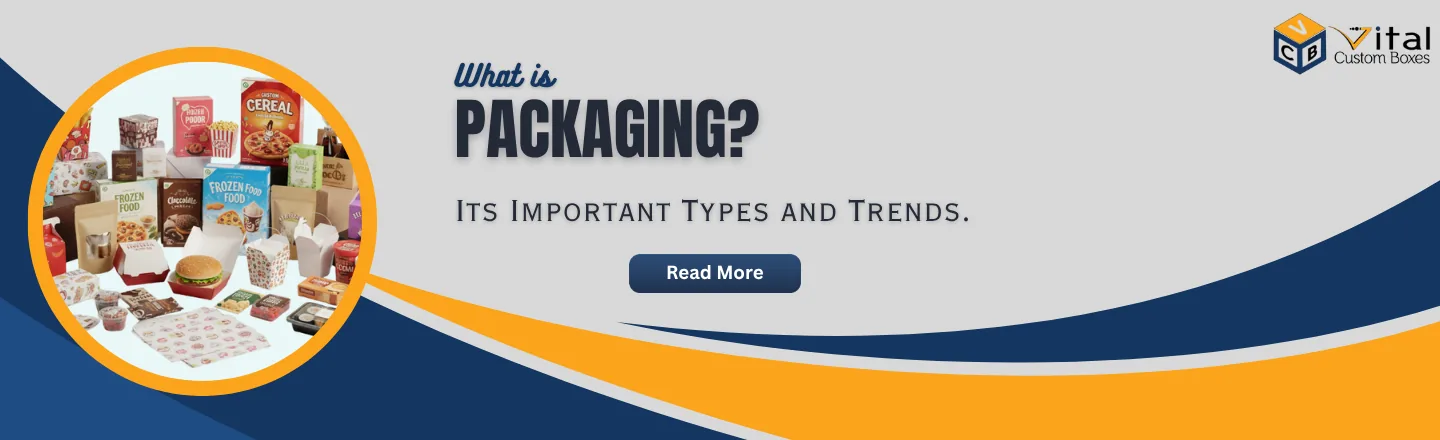
Packaging is a fundamental part of bringing a product to market. It not only protects the product but also plays a vital role in branding, marketing, and the consumer experience. Let's explore what packaging is, why it matters, the various types, and how it continues to evolve.
History of Packaging
The concept of packaging has been around for centuries. In ancient times, people used simple materials like leaves, animal skins, and clay pots to protect and store food and other goods. Over time, packaging evolved with the development of new materials such as glass, paper, and metals. The Industrial Revolution marked a significant turning point, as mass production required standardized and protective packaging to ensure safe distribution. Today, packaging blends form, function, and branding, contributing to a product's success in the marketplace.
Importance of Packaging
Packaging is critical for both businesses and consumers for several reasons. It provides protection, acting as the first line of defense against damage during shipping, handling, and storage while keeping the product safe from dirt, moisture, and contamination. It supports preservation by helping maintain the quality and freshness of products such as food, cosmetics, and medicines, extending shelf life through barriers against air, light, and moisture. Packaging adds convenience through resealable bags, easy-open boxes, and ergonomic designs that make products more user-friendly. It also powers marketing and branding, since a product's packaging reflects the brand's identity and can influence buying decisions, and it delivers information such as ingredients, usage instructions, nutritional facts, safety warnings, and expiration dates so customers can make informed choices.
Types of Packaging
There are three main types of packaging. Primary packaging directly holds the product, such as a bottle for a drink or a box for a bar of soap, forming the first layer that comes into contact with the product. Secondary packaging groups multiple primary packages together for easier handling and storage, like a box containing several bottles of shampoo. Tertiary packaging is used for shipping and storage and helps with bulk transport, such as large containers or pallets that hold multiple secondary packages.
Materials Used in Packaging
Several materials are used in packaging, each with its own advantages. Paper and cardboard are commonly used for food, books, and retail products because they are lightweight, affordable, and easy to recycle. Plastics are widely used for bottles, bags, and food containers thanks to their durability and versatility, though they raise environmental concerns when not disposed of properly. Glass is often used for beverages, perfumes, and luxury products because it is non-toxic, reusable, and recyclable, even if it can be heavy and breakable. Metals like aluminum and steel are used for cans, aerosols, and some cosmetic and medicine packaging because they are strong, long-lasting, and easily recyclable. Biodegradable and sustainable options, such as plant-based plastics and compostable materials, have gained popularity as concern for the environment grows.
The Role of Packaging in Different Industries
Different industries rely on packaging to serve unique purposes. In pharmaceuticals, packaging must meet strict regulatory standards to ensure safety and protect contents from contamination. In electronics, packaging functionality is crucial to protect fragile items during shipping. The food industry focuses heavily on preservation and convenience, while cosmetic packaging aims to be visually appealing and luxurious to enhance the consumer experience.
Importance of Packaging for Sellers and Buyers
For sellers, packaging is vital for protecting the product and ensuring it arrives safely, and it is also a powerful marketing tool. Strong packaging conveys the brand's message and differentiates products from competitors, attracting customers, building trust, and encouraging repeat business. For buyers, packaging ensures the product is safe and intact, makes it easy to use, and provides all the necessary details to make an informed purchase. Thoughtful design can also enhance the overall experience, making the product feel more special and valued.
Functions of Packaging
The primary functions of packaging are protection from physical damage and contamination, preservation that extends shelf life by maintaining quality, convenience that makes products easier to use and store, marketing and branding that promote the product and communicate brand identity, and information that gives consumers the details they need for informed decisions.
The Evolution of Packaging
Packaging has evolved from simple containers into complex and innovative solutions. Today it goes far beyond product protection, serving as a powerful tool for marketing, branding, and customer experience. With options like custom box packaging, businesses can access tailored solutions that align with their brand identity while remaining cost-effective. Ongoing innovation in materials, designs, and technology continues to shape the industry, making packaging more sustainable, efficient, and customer-focused.
Final Thoughts
Packaging is not just about containing a product; it is about protecting, preserving, and presenting it in a way that attracts customers and builds a brand. Its importance extends beyond physical protection to include marketing, convenience, and communication. As packaging continues to evolve, businesses will keep finding new ways to innovate, from eco-friendly materials to memorable designs, keeping packaging a key factor in a product's success.